
Burlington Resident Lookup Records
A resident lookup works best as a cross-record check, not a single name search. Alamance County property data can identify an owner of record and distinguish a parcel’s situs address from its mailing address. The statewide voter tool can return registration and district information. eCourts can show public case indexing, while the Clerk remains the source for an official copy. Vital, estate, cemetery, historical-directory, and business records each answer narrower questions. None of them alone proves who is physically at an address today.
| Record source | Question it can answer | Burlington-area custodian | Access boundary |
|---|---|---|---|
| Tax parcel and GIS | Owner of record, parcel setting, situs and mailing distinction | Alamance Tax and GIS | Public parcel context; it does not establish every occupant. |
| Voter search | Registration status, jurisdictions, returned address fields, and history | NC State Board of Elections | Released fields only; protected actual addresses and full birth data stay out of public results. |
| Public court index | Party role, case number, type, dates, events, and disposition | NC eCourts and Alamance Clerk | Public cases only; the portal is not a certified record. |
| Vital and estate sources | Life event, relationship, decedent, representative, heir, or date clues | Register of Deeds, Clerk, NC Vital Records, State Archives | Eligibility and file restrictions govern copies. |
| Historical publications | Past household, related person, street, or dated affiliation | May Memorial and DigitalNC | A dated publication snapshot, not a current confirmation. |
If you have only a name, begin with the voter search and a known county connection. If you have an address, distinguish property ownership from occupancy before moving to a deed or court index. If the question is historical, start with the date and a directory or newspaper route. Record the date of every result, because an older hit may be accurate for its date while no longer describing the person’s current circumstances.
The county permits and inspections route shows one address- and name-based public record channel.
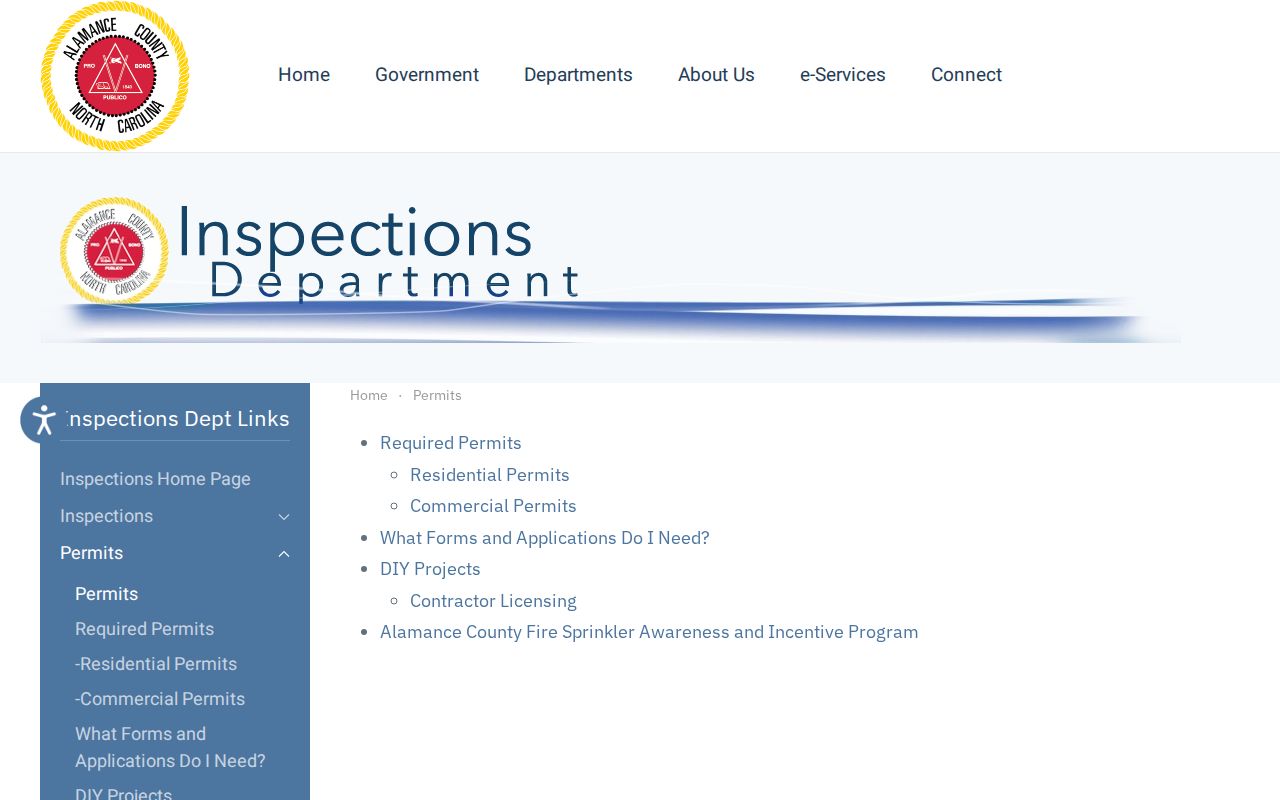
A permit applicant or address result can provide a date and contact clue, but it is not a complete household list.
The NC Business Registration search supplies filing information for an entity or listed official.
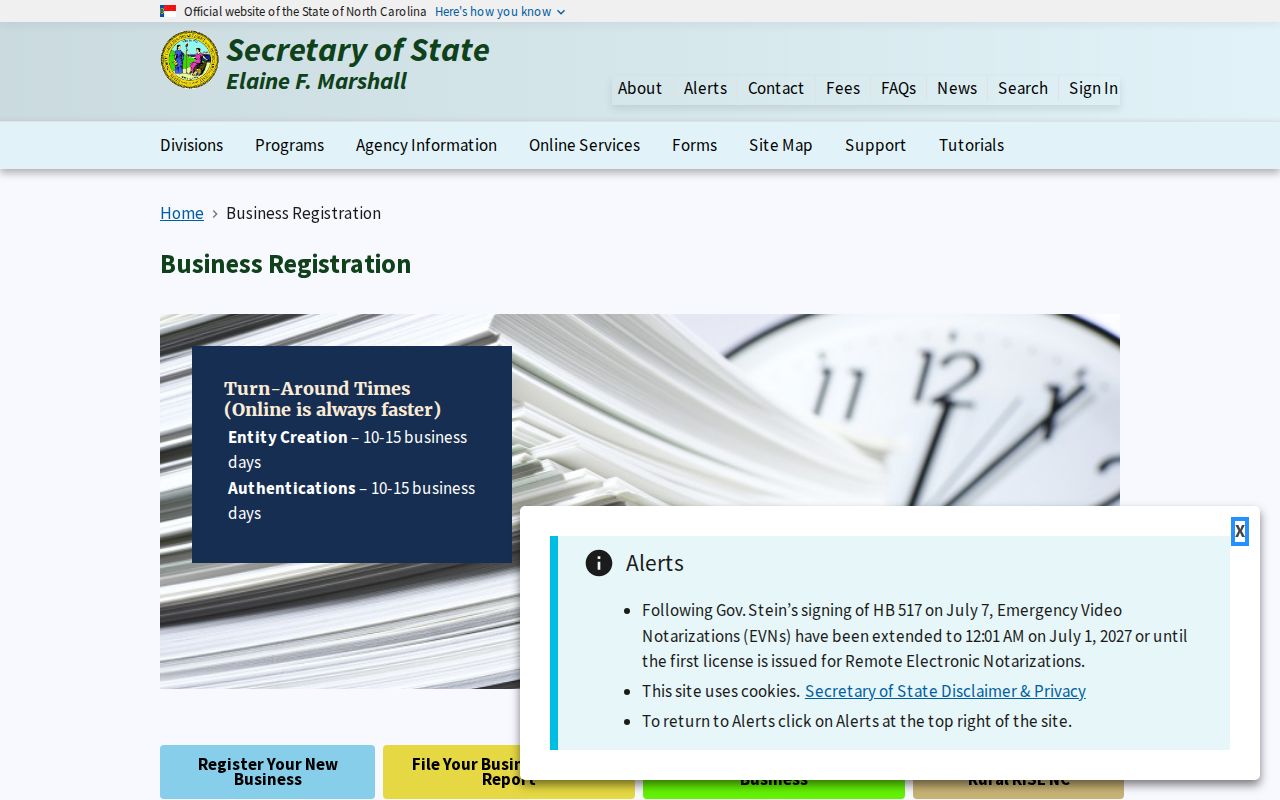
Listed contacts and officers are filing roles, so they should be checked against a second source before associating them with a resident.
The North Carolina credential and permit portal directs users to official boards.

A credential record may corroborate a public identity detail, but its fields and update history vary by board.
Burlington Resident Lookup Through Voter Records
The NC Voter Search is a statewide form, and Burlington searches can be narrowed to Alamance County. It requires first name, last name, and at least one voter-status selection. Middle initial, birth year, and county can help distinguish a common name. A match may return jurisdictions, polling place, sample-ballot information when available, and voter history. It is not a list of everyone at an address, and a non-match can reflect spelling, status, a protected address, removal, county choice, or an unavailable result.
| First and last name | Required text fields; test reasonable spelling variants one at a time. |
|---|---|
| Middle initial | Optional, useful for separating a recurring Burlington-area surname. |
| Birth year | Optional selection when lawfully known; the public result omits full date of birth. |
| County | Choose Alamance to narrow a Burlington-area search. |
| Voter status | At least one selection is required: Registered, Removed, or Denied. |
The state’s downloadable voter files and history are updated weekly on Sunday evenings. Released data can include name, status and reason, party, residence and mailing address fields, county, precinct, districts, and voting history. It excludes full date of birth, Social Security number, driver-license number, and ballot choice. A participation history tells whether a person participated, not how they voted.
The State Board of Elections voter-lookup page describes the public match route.
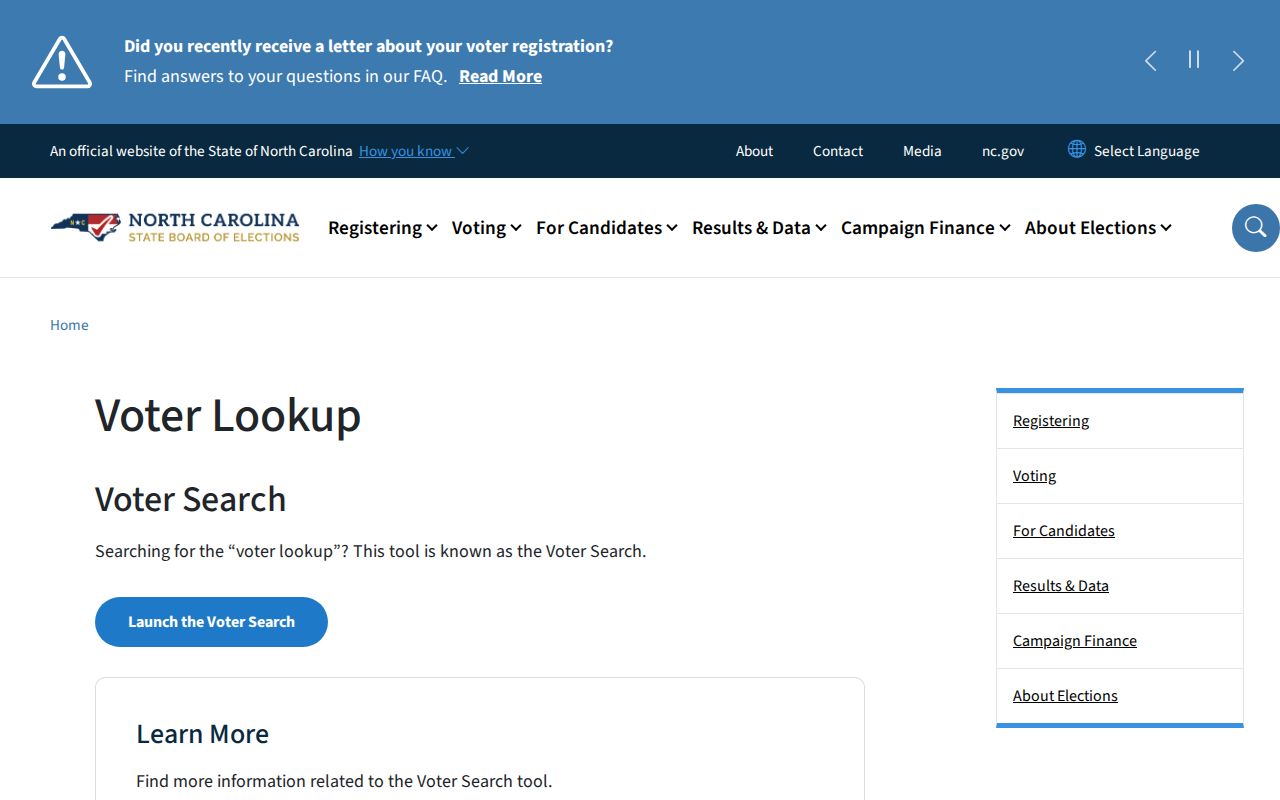
Use the returned county and status with a second dated record when a name is shared by more than one person.
The state voter-registration-data page explains the available current files and history.
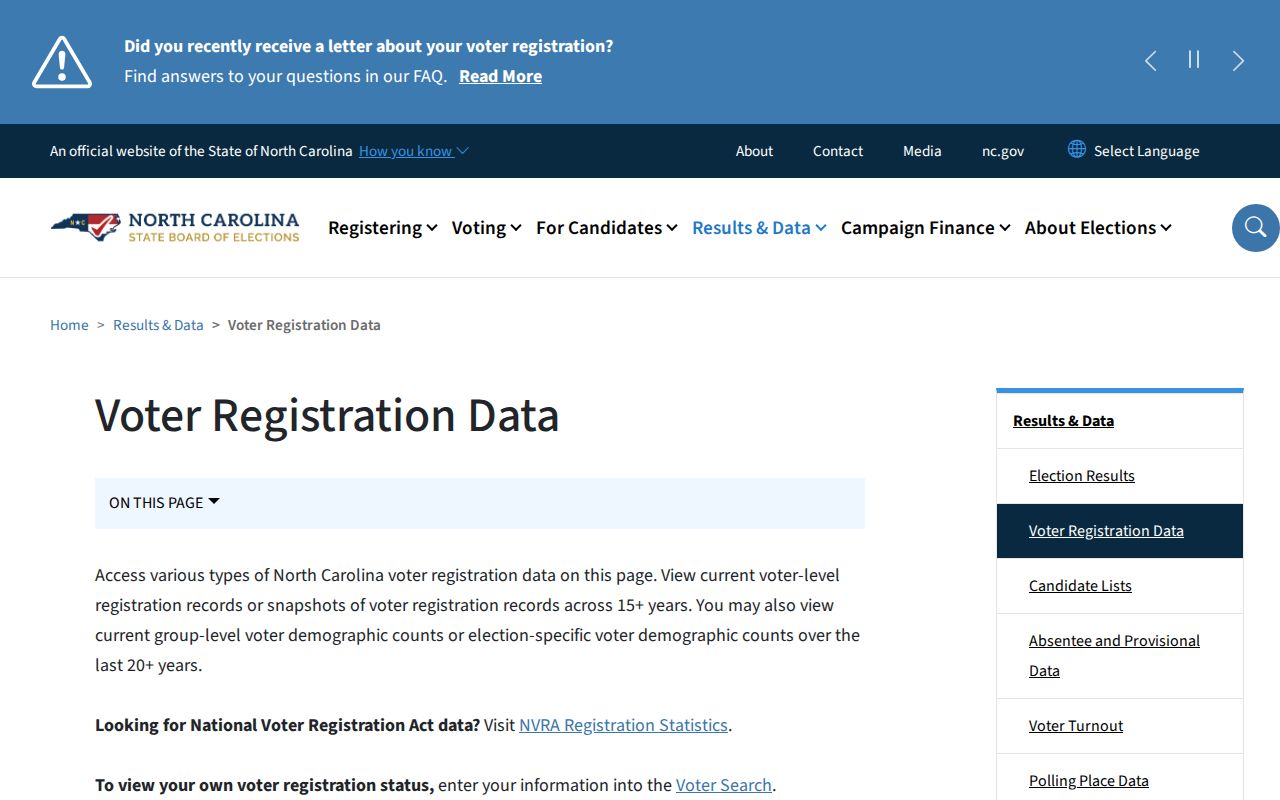
File fields and update timing should be noted before comparing a voter record with an older court, deed, or directory entry.
Confirming Names in Burlington eCourts
Public cases for Burlington are searched through the statewide North Carolina eCourts Portal. The Smart Search can accept a party name, nickname, business name, attorney name or bar number, record or case number, citation number, or cross-reference. Hearing, advanced-case-type, and judgment modes add their own filters. Use an exact identifier when one is known. For a name-only search, narrow by county, location, case type, status, and date before treating a result as a possible match.
The result structure can include case summary, case information, assignment information, party information, causes of action, events, dispositions, hearings, financial information, and judgment comments when applicable. A docket is the court’s running case record. The public portal is not the official file, and it withholds or restricts juvenile, sealed, expunged, adoption, protective-order, certain warrant, and other confidential material. The Alamance Clerk is the route for an official copy, older paper file, or a question about a result that is not visible online.
- Indexed party name and party role.
- Case, record, or citation number.
- County or location, case type, and filing or index date.
- Case events, dispositions, hearings, and financial information when public.
- Judgment date, status, parties, and comments in a judgment search when available.
The same-name check is essential in Burlington and across Alamance County. Compare full name, middle initial, lawfully available birth-year clue, county, party role, dates, address in the file, related names, and disposition. A filing address may be historical or protected. A case result can be a useful date and name-variant clue, but it should not be used alone to identify a present resident.
The NC eCourts information page records the statewide portal transition.
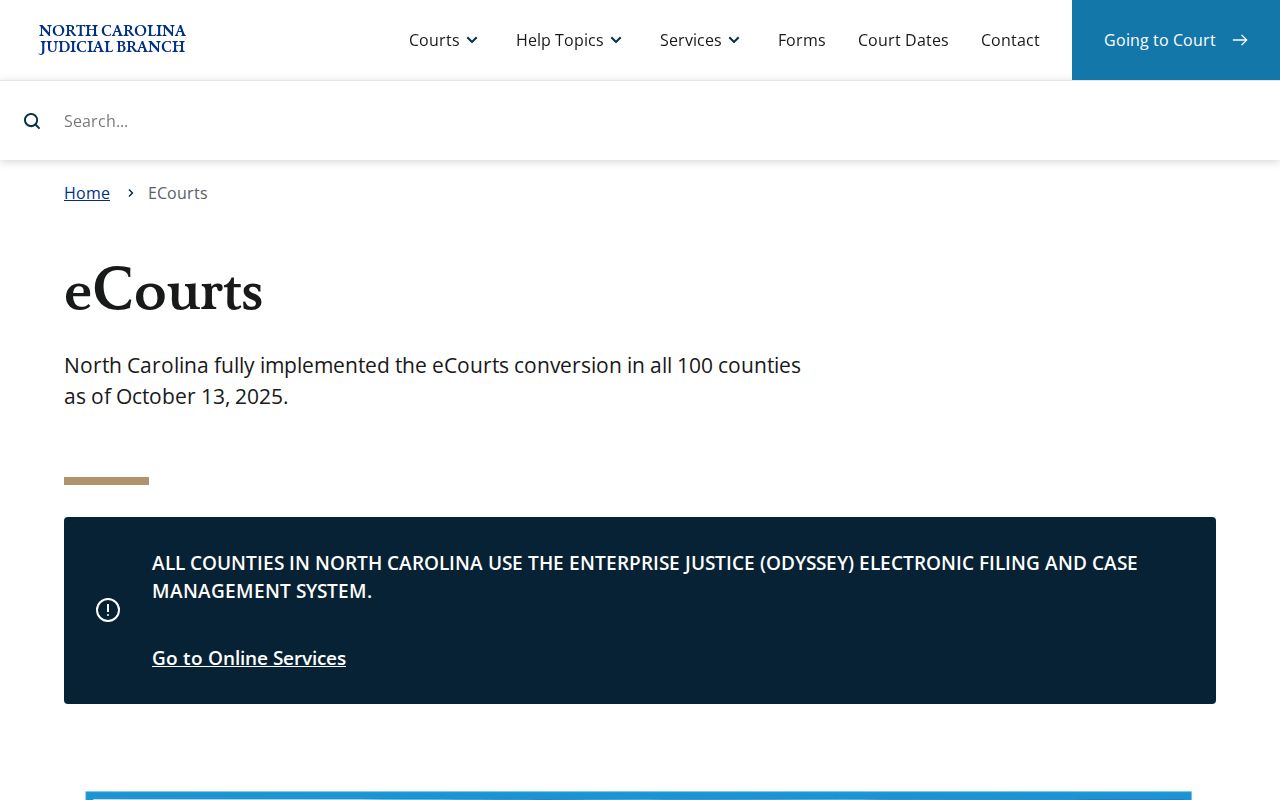
North Carolina reported statewide eCourts implementation in all 100 counties on October 13, 2025, while the Clerk kept the official-copy role.
The Alamance County courts page identifies the local court and Clerk route.
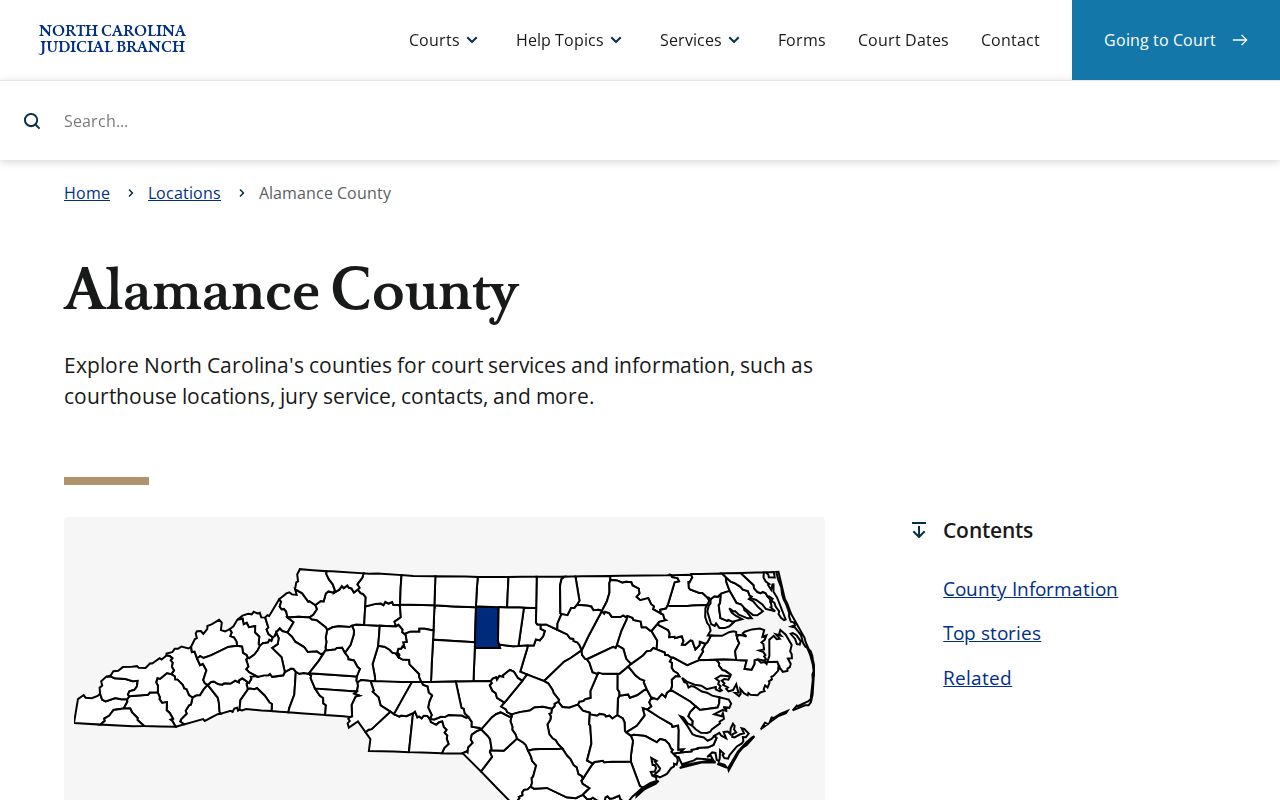
Courthouse public computers can expose more search functionality than a home browser and offer a free non-certified search route.
Burlington Resident Lookup With Vital Records
Vital records confirm an event or relationship, not a current residence. Alamance County Register of Deeds holds local birth, death, and marriage copies for events in its custody. NC Vital Records issues statewide certificates and divorce certificates, while the Alamance Clerk holds the underlying divorce case file. The state holding windows listed in the research are births from 1913, deaths from 1930, marriages from 1962, and divorces from 1958. Older paths vary among the county Register of Deeds, Clerk, State Archives, and library indexes.
Certified copies are controlled by N.C. Gen. Stat. §§ 130A-93 and 130A-93.1. The research found no unrestricted statewide public name index or a universal local opening-period rule. Local certified copies are listed at $10; the state standard search and copy is $24 per three-year period. The state form and order pages are the current source for exact eligibility, forms, card-service charges, and processing times. The county mail route requires a signed application, identification copy, payment, return envelope, and daytime phone number.
The NC Vital Records forms hub routes birth, death, marriage, divorce, fetal-death, and adoption forms.
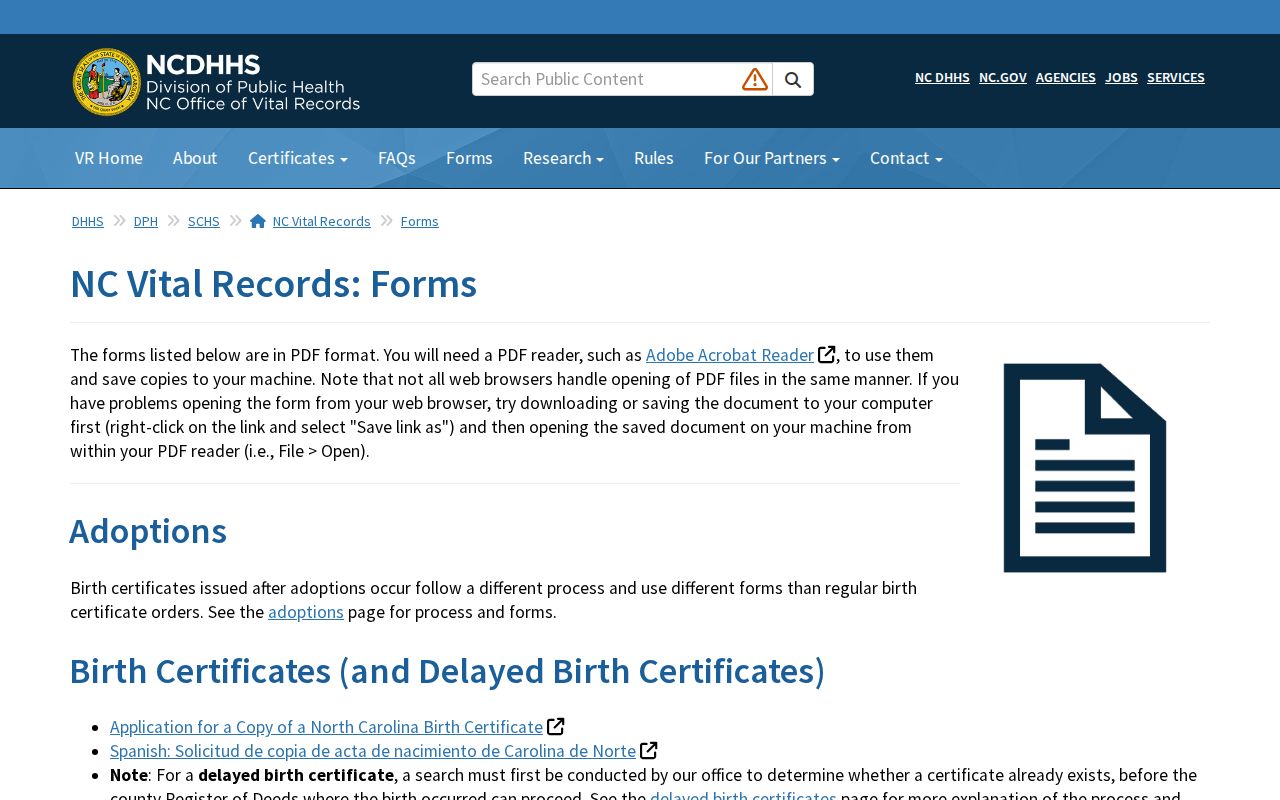
Forms direct requests by document type, and some adoption or amended-record matters follow a different official path.
The state vital-records research page explains custody windows and historical routes.
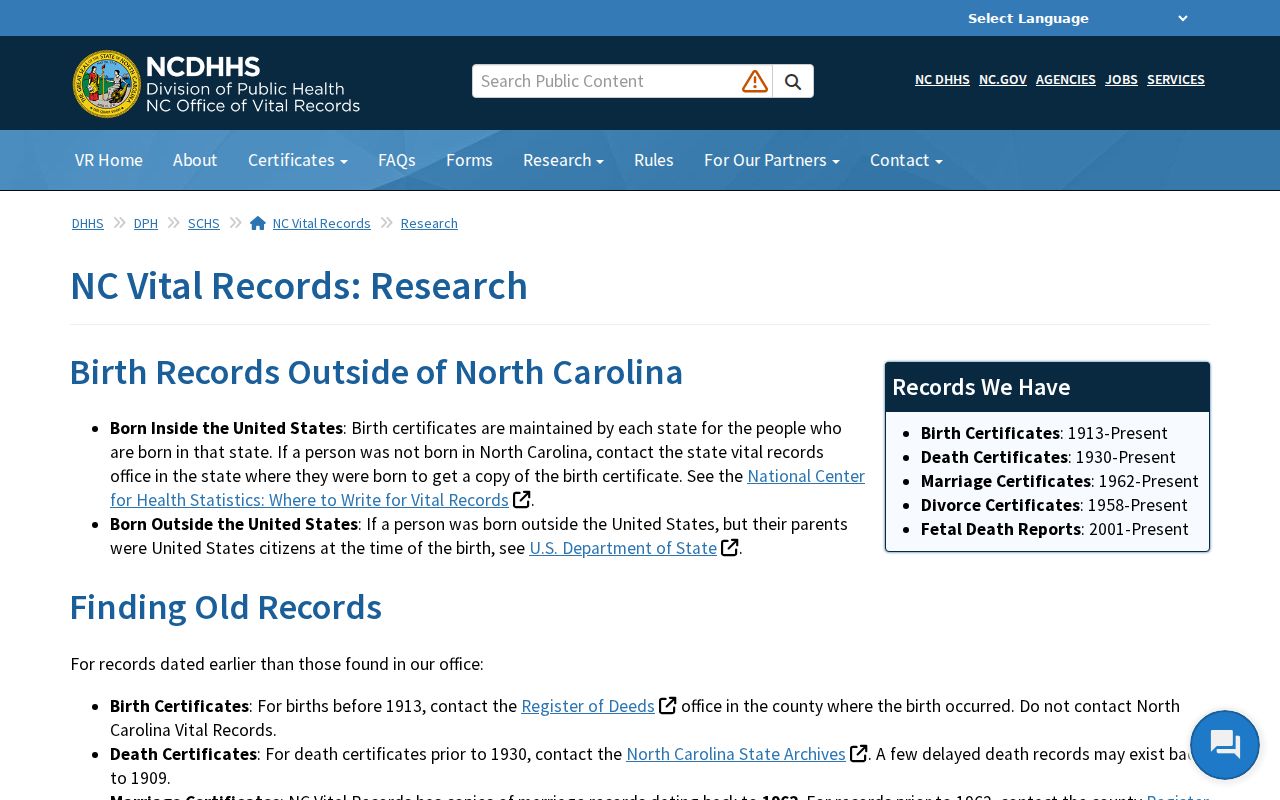
For a family-history trail, library obituaries, marriage notices, cemetery material, and archives may supply the next clue when a certificate is restricted.
Section 130A-93 sets core eligibility and restriction rules for vital copies.
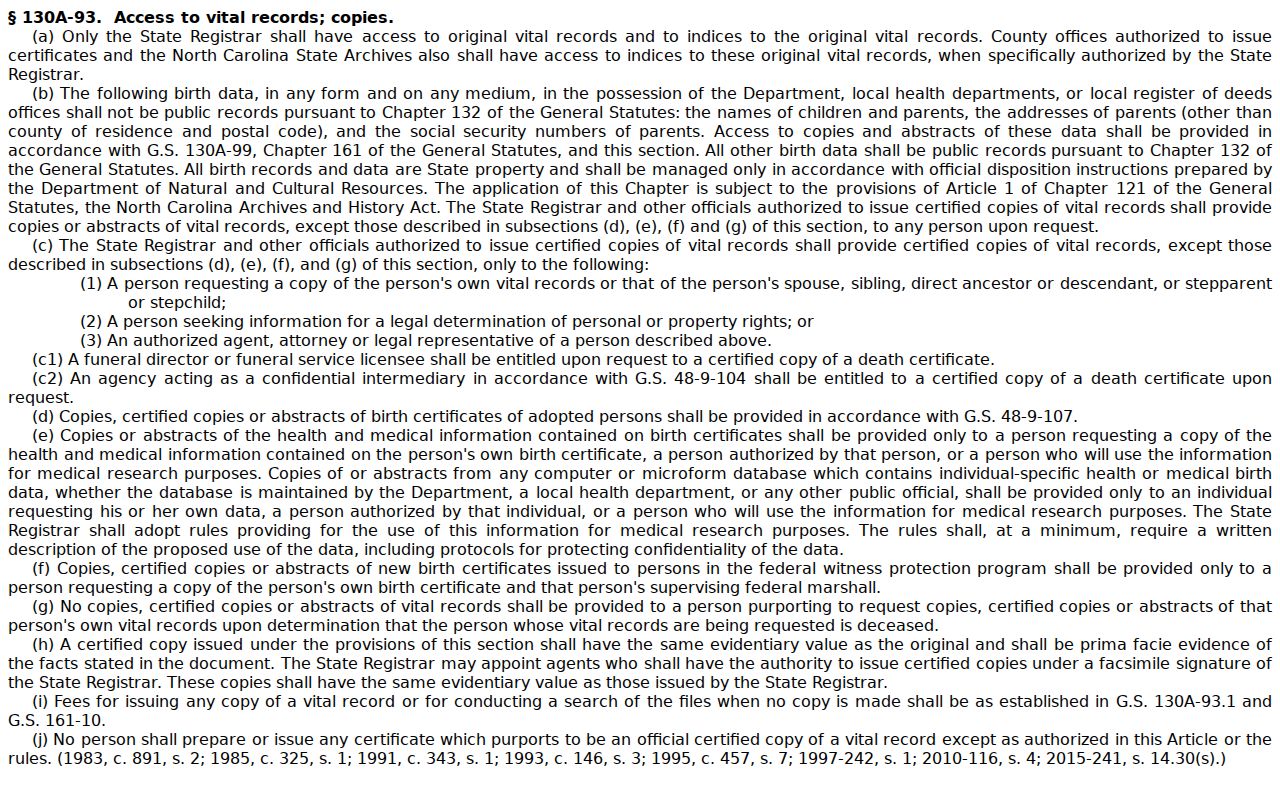
Protected birth information and relationship rules mean a correct name alone does not authorize a certified copy.
Burlington Resident Lookup for Family Trails
For an heir or estate question, start with the Alamance Clerk, the State Archives estate index for 1856–1949, deeds, obituary abstracts, cemetery entries, and family Bibles. Follow representatives and legal descriptions carefully. An heir named in a past filing may not live at the address shown. For a former classmate or reunion contact, May Memorial yearbooks, school newsletters, DigitalNC newspapers, city directories, and obituary abstracts provide dated local context. Match school year and household address before making an identity claim.
Birth-parent or adoption history is different. It is not an ordinary public resident lookup. NC Vital Records adoption procedures and any official confidential-intermediary route control access; the research did not locate a Burlington-specific intermediary page. For an older Burlington name, the historical shelf belongs on the Burlington city directory page, where the discontinuous directory years and May Memorial resources are explained in detail.
The NC Cash search is an official source for a prior-address clue in an unclaimed-property claim.
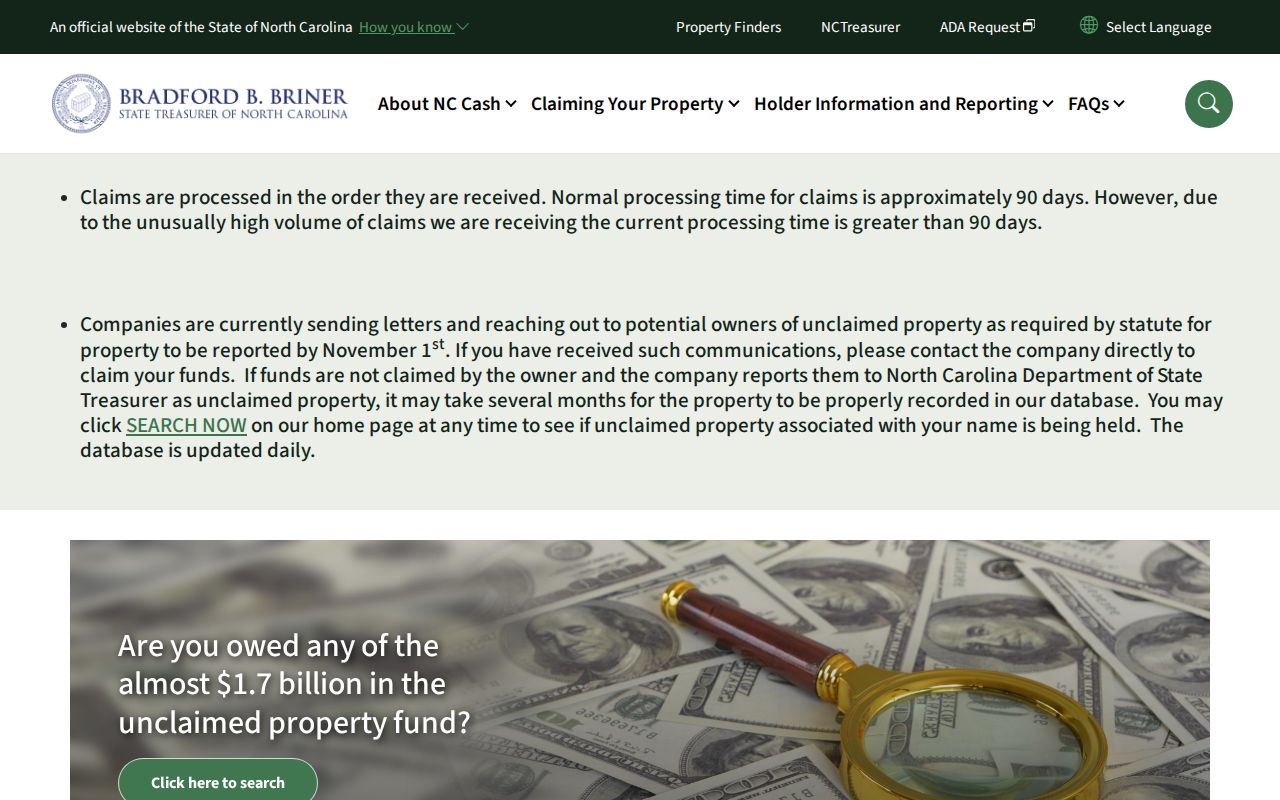
The official claim process is free, and a result should be treated as an address-history lead rather than current-residence proof.
Verifying a Burlington Resident Record
Verification means tying a name to more than one independent, dated source. Start with the least intrusive record that fits the question. For example, use voter status or a parcel owner record to anchor a name and location, then compare a court party’s county and dates or a historical directory’s spouse and street. Do not turn a tax owner into an occupant, a voter match into a household roster, or a business filing into a home address. Record the source date, the exact name form, and why each detail supports or weakens the match.
- Write the full name and known Burlington or Alamance connection, then list two disambiguators such as a middle initial, birth year, related person, or old street.
- Check voter or parcel information for a date and place connection, while preserving the difference between mailing and situs address.
- Search eCourts using the name plus county, date, role, or case type, then compare the public result fields without treating the portal as a certified identity service.
- For a historical trail, compare the closest city directory, newspaper, obituary, cemetery, estate, or released census record.
- Ask the correct custodian for an official copy only when the underlying rule allows it and the record is needed.
- Docket
- The court’s running case record, which can list the parties, events, filings, hearing dates, and disposition.
- Index versus image
- An index is a searchable set of fields. An image is the scanned document or page, which may be restricted, absent, or require a custodian request.
- Certified copy
- A custodian-issued copy with the official certification needed for the purpose stated by that custodian. It is not the same as a web result.
Note: A careful match keeps contradictory dates, names, or addresses visible instead of forcing them into one person’s record.
Burlington Resident Lookup When Portals Fail
A blank result does not prove that a person never lived in Burlington. A voter record may be removed or protected. A Cott deed search may be affected by name variation or an unlocated online cutoff. A map or portal can fail to render. A vital or court record can be restricted. When an existing public record is not available online, make a narrow request to the custodian under the North Carolina Public Records Act, Chapter 132. The law supports inspection and copying at reasonable times, but it does not require an agency to create or compile a new record.
Section 132-6.2 permits actual-cost copying and special service charges for extensive work. Ask for a specific existing record, county, date range, format, and desired fields. The Sheriff requires written public-record requests and offers a Jotform or mail route. Court records go through the Clerk, voter corrections through Elections, parcel corrections through Tax or GIS, vital questions through the Register of Deeds or NC Vital Records, and filing issues through the appropriate state office.
Public Records Act Section 132-6.2 explains format, cost, and no-create rules.
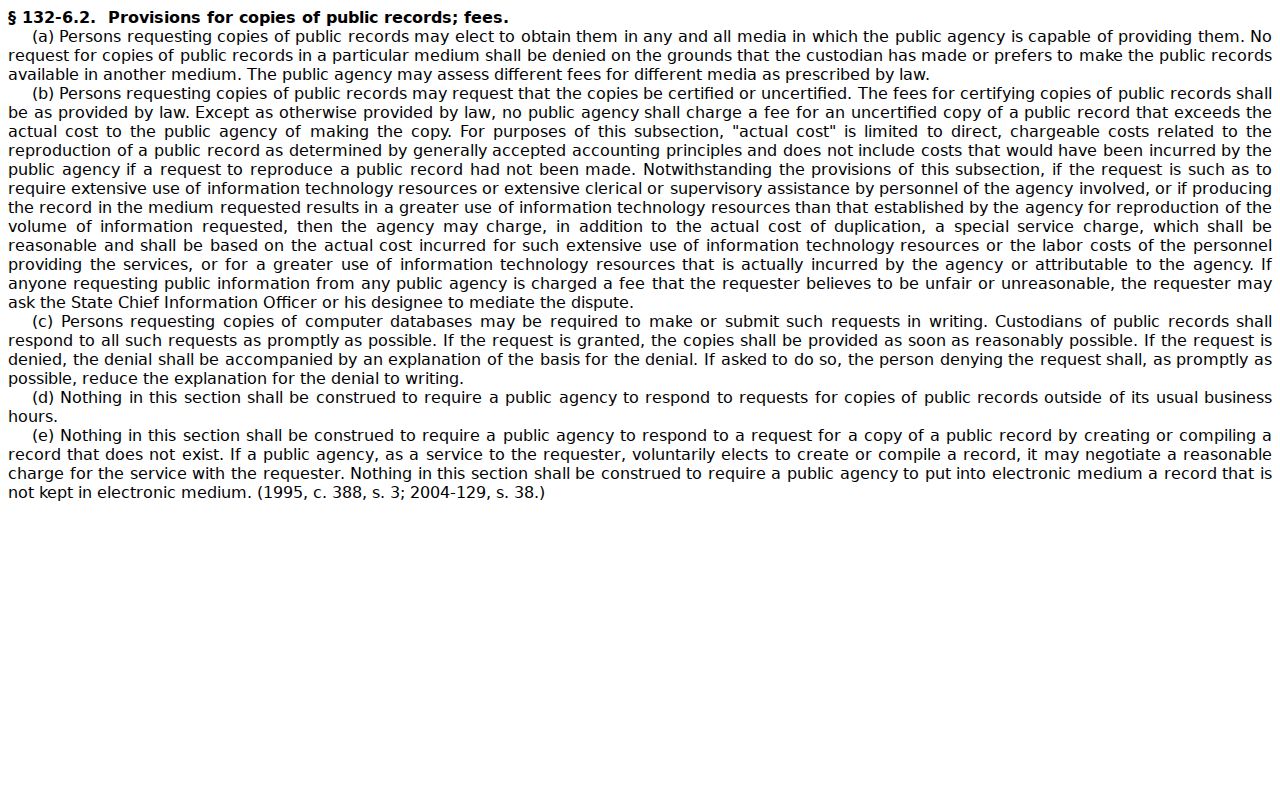
A precise request is more useful than asking a custodian to assemble a broad list of people.
Privacy Limits on a Burlington Resident Lookup
North Carolina public-record access does not erase record-specific confidentiality. Voter data omits full date of birth, Social Security number, driver-license number, and ballot choice. Vital copies have eligibility rules. Court portals withhold restricted cases and data. Motor-vehicle personal information is protected by the federal Driver’s Privacy Protection Act. Recorded instruments can also contain data subject to redaction. A protected address is not a mistake to work around.
The NC Address Confidentiality Program serves qualifying survivors of domestic violence, sexual assault, stalking, and human trafficking who have moved or are moving because of safety concerns. A participant uses a substitute address, and agencies must withhold the actual address where the law applies. Elections protection under N.C. Gen. Stat. § 163-82.10(e) and Chapter 15C can also keep an actual voter address out of a public file. Corrections belong with the source custodian, and a historical item that is lawfully public may remain available even after a source correction.
Lawful use. Use a Burlington resident lookup for a personal, lawful purpose. North Carolina stalking law, N.C. Gen. Stat. § 14-277.3A, can apply to a course of conduct that monitors or harasses a person without legal purpose.
The North Carolina Sex Offender Registry has its own public-search and acceptable-use limits.
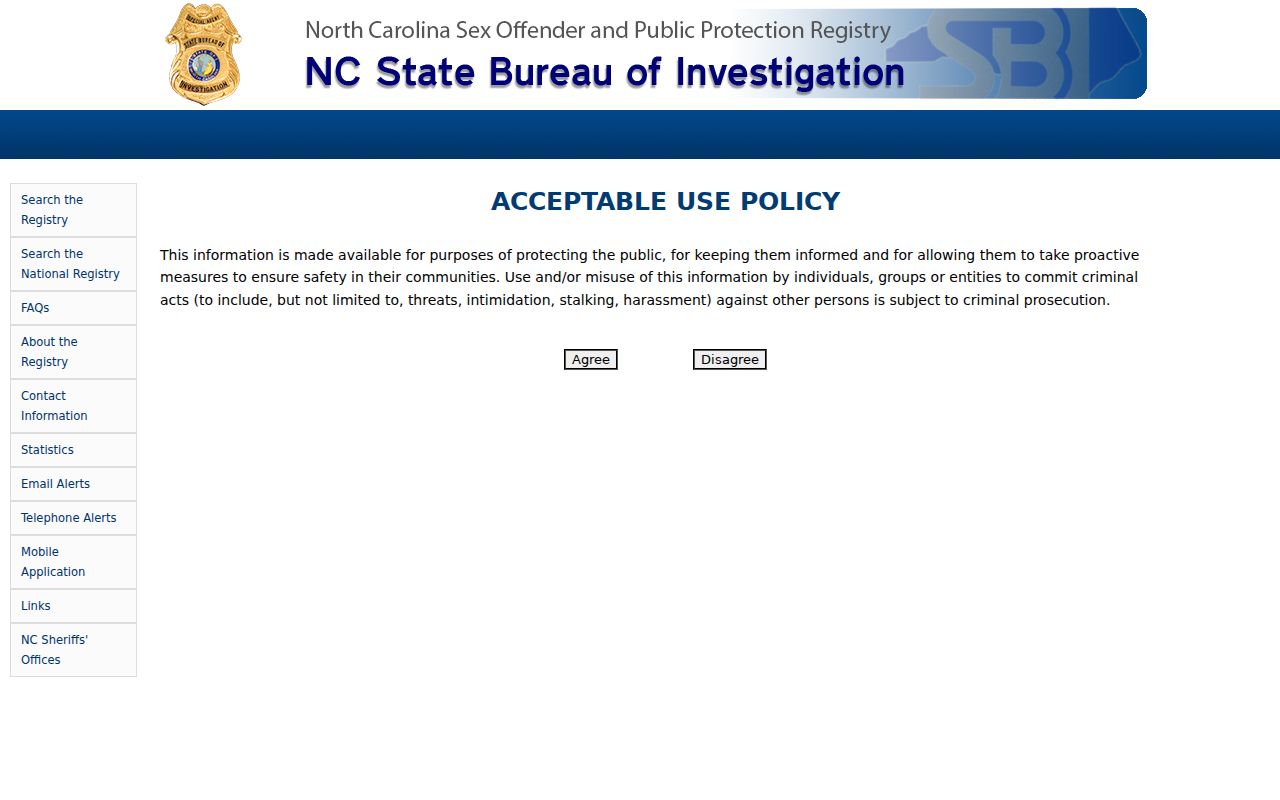
The registry is restricted to the records it publishes and does not replace a carefully verified resident lookup.
Note: When a source withholds an address or record, contact the custodian about the rule instead of trying to reconstruct protected information.